🚀 Struggling with consistent lead generation_

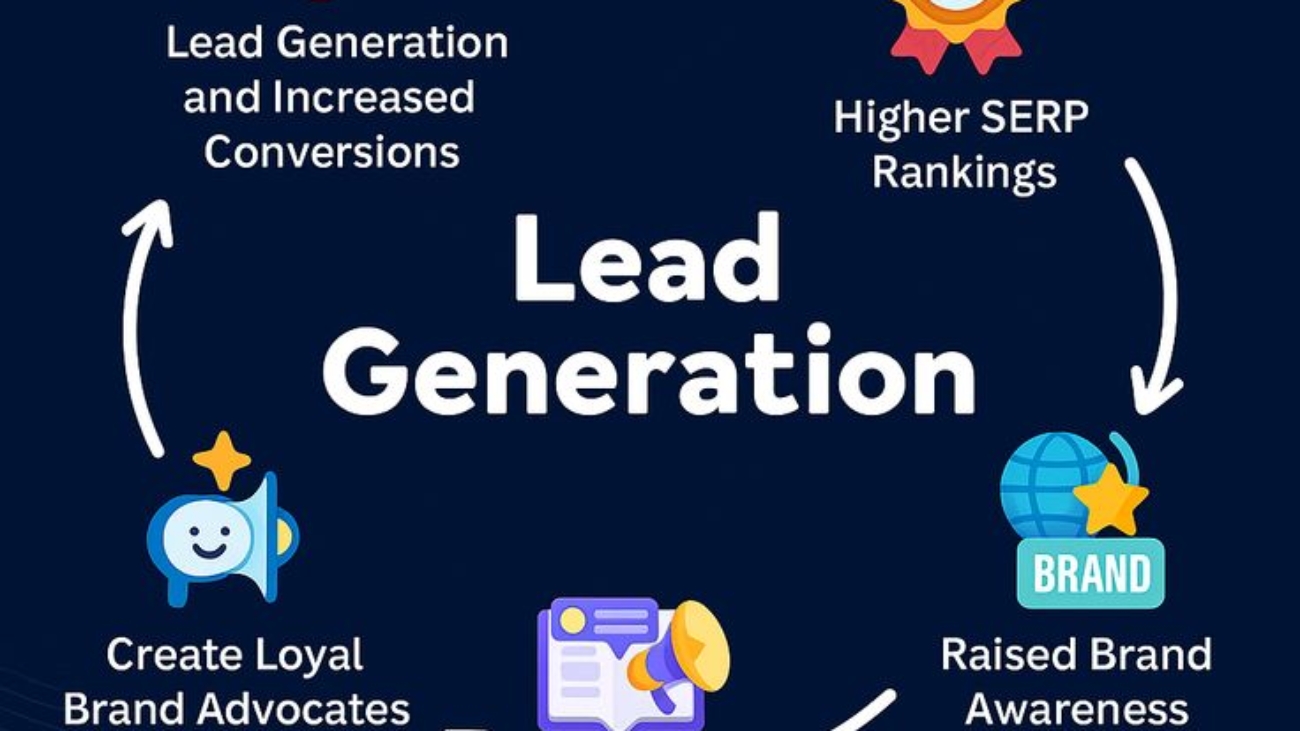
Comment Lancer une Campagne de Génération de Leads Performante en 2025

Dans le paysage numérique actuel, une campagne de génération de leads réussie ne repose pas sur la chance, des posts aléatoires ou des promotions tape-à-l’œil. Elle repose sur un système structuré, discipliné et prévisible qui connecte votre expertise aux entreprises qui ont réellement besoin de vous.

Albendigitech aide les entreprises d’Afrique et d’ailleurs à créer des systèmes de génération de leads basés sur les données, capables d’attirer des prospects qualifiés de manière continue et mesurable.

Voici le guide complet, inspiré des meilleures pratiques globales (Hinge, HubSpot, LinkedIn Marketing Solutions), mais entièrement réécrit pour les besoins des entreprises francophones.


Qu’est-ce qu’une campagne de génération de leads ?

C’est un processus structuré pour :

  • attirer l’attention sur votre offre
  • collecter des contacts ciblĂ©s
  • qualifier les prospects
  • les transformer en MQL (Marketing Qualified Leads)
  • puis en SQL (Sales Qualified Leads)
  • avant de les remettre aux Ă©quipes commerciales

Contrairement au marketing grand public, la génération de leads pour services professionnels, tech ou B2B repose sur :
la confiance, l’expertise, la crédibilité, et la pertinence des solutions.


Phase 1 — Construire des Fondations Stratégiques (Avant Toute Création de Contenu)

La plupart des campagnes échouent par manque de stratégie — pas par manque d’effort.

1. Définir le succès avec précision

Un objectif vague comme “obtenir des leads” ne suffit pas.

Un vrai objectif ressemble Ă  :

« Générer 50 MQL et 10 SQL dans le secteur industriel au T1 2025, avec au moins 4 rendez-vous de découverte. »

Pour y arriver, il faut différencier trois types de leads :

âś” Lead Brut (nouveau contact)

Un email ou un nom ajouté à votre base.

âś” MQL (Marketing Qualified Lead)

Il correspond à votre cible + a un comportement d’intérêt (téléchargement, participation à un webinar, etc.).

âś” SQL (Sales Qualified Lead)

Un MQL validé par l’équipe commerciale, prêt à échanger.


2. Définir l’ICP et les Personas

✔ L’ICP (Ideal Client Profile)

Il décrit le type exact d’entreprise que vous souhaitez cibler :

  • secteur
  • taille
  • budget moyen
  • localisation
  • dĂ©fis spĂ©cifiques
  • maturitĂ© digitale

âś” Les Personas

Ce sont les décideurs à l’intérieur de l’entreprise :

  • besoins
  • frustrations
  • enjeux business
  • habitudes d’information
  • objections

Chaque élément de votre campagne doit être personnalisé pour eux.

Pour découvrir les solutions digitales Albendigitech :
👉 https://albendigitech.com/services/


Phase 2 — Construire le Moteur de la Campagne

Voici les éléments essentiels d’un système qui convertit.

1. Créer une offre irrésistible

L’offre est le cœur de votre campagne.
Elle doit apporter une vraie valeur, démontrer votre expertise et répondre à un problème réel.

Exemples performants :

  • Rapport : « Baromètre de la Transformation Digitale 2025 en Afrique »
  • Outil/diagnostic : « Calculez votre coĂ»t d’acquisition client en 60 secondes »
  • Guide : « StratĂ©gie marketing digitale pour CEO : le plan complet 2025 »
  • Webinar expert/thĂ©matique
  • Audit gratuit ou outil interactif

Votre prospect doit penser :
« Cette entreprise comprend parfaitement mon problème. »


2. Créer une landing page qui convertit

Une landing page efficace doit contenir :

✔ Un titre clair lié à la promesse

✔ Un texte court et précis

✔ Une liste des bénéfices

✔ Un formulaire simplifié (nom + email + fonction suffisent souvent)

✔ Des preuves sociales (témoignages, logos, certifications)

âś” Aucune distraction (pas de menu, pas de liens inutiles)

Objectif : obtenir un maximum d’inscriptions.


3. Utiliser les bons canaux de promotion

Une campagne performante utilise plusieurs canaux :

• Email marketing

Segmentation et séquences intelligentes.

• LinkedIn (référence B2B mondiale)

Source : LinkedIn Marketing Solutions
https://business.linkedin.com/marketing-solutions

• Publicités (Google Ads, Meta Ads, LinkedIn Ads)

Rapides et ciblées.

• Réseaux professionnels & partenariats

Webinars, co-créations, événements virtuels.

• Contenu organique & influence interne

Les employés / experts sont de puissants ambassadeurs.


Phase 3 — Nurturer les Leads (Là Où 90 % des Entreprises Échouent)

Le téléchargement n’est pas la fin. C’est le début.

Les prospects doivent être accompagnés et éduqués avant d’être prêts à parler à un commercial.

Voici la séquence de nurturing idéale :

• Email 1 (Instantané)

Livrer l’offre promise.

• Email 2 (J+3)

Approfondir la thématique (article, vidéo, mini-guide).

• Email 3 (J+8)

Partager un cas client pertinent.

• Email 4 (J+15)

CTA doux :
« Nous offrons quelques créneaux gratuits de 20 minutes pour analyser votre situation. Souhaitez-vous en profiter ? »

Définir les déclencheurs de qualification

Passage en SQL si :

  • plusieurs clics
  • visite de pages clĂ©s (services, tarifs, contact)
  • participation Ă  un webinar
  • demande d’information

Phase 4 — Mesurer, Analyser et Optimiser

Voici les KPIs essentiels :

âś” Taux de conversion de la landing page

Référence : 20–25 %
Source : HubSpot Benchmark Report
https://www.hubspot.com/marketing-statistics

✔ Coût par lead (CPL)

Indicateur de rentabilité.

✔ Taux MQL → SQL

Mesure la qualité des leads.

✔ Taux Lead → Client

Le KPI ultime.

âś” ROI de la campagne

L’indicateur préféré des dirigeants.

N’oubliez pas les retours qualitatifs :
les commerciaux savent quels leads ont vraiment du potentiel.
Ces informations valent de l’or.


Transformer le Marketing en Générateur de Revenus

Une campagne structurée, mesurée et optimisée transforme le marketing en un véritable moteur de croissance.

Albendigitech combine :

  • outils digitaux
  • automation intelligente
  • contenus premium
  • conception de landing pages
  • analyse des donnĂ©es
  • stratĂ©gie B2B basĂ©e sur l’expertise

→ Pour créer des pipelines prévisibles et performants.

Découvrez l’ensemble de nos services :
👉 https://albendigitech.com/services/


Besoin d’une vraie stratégie pour générer des leads qualifiés ?

Albendigitech accompagne entreprises, startups, cabinets, agences et sociétés tech dans la mise en place de systèmes de génération de leads efficaces.

🎯 Pour aller plus loin :
👉 https://albendigitech.com/services/
Blog-Mayo-4-03

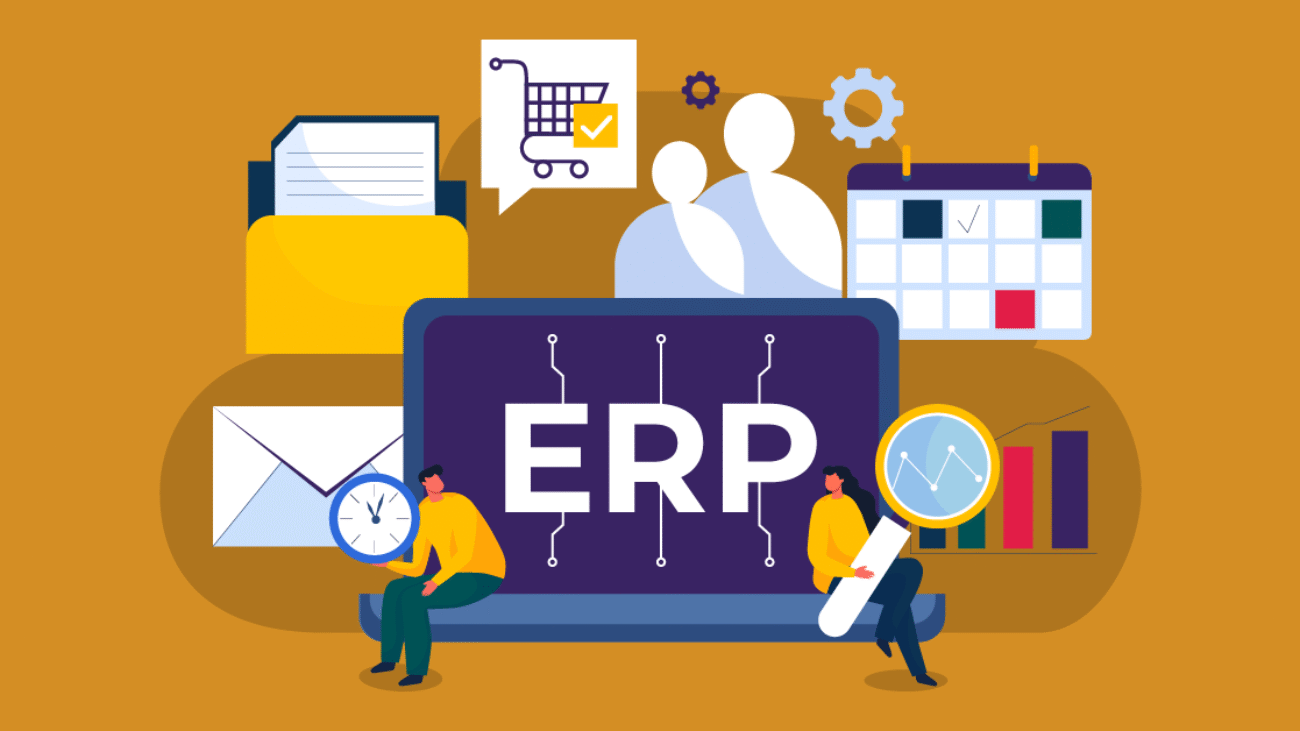
The Advantages and Disadvantages of ERP Systems

Business Development Leader in a business office while preparing project meeting for tracking progress, milestones, and communicating with their team.


Introduction

Enterprise Resource Planning (ERP) solutions provide organizations with a centralized platform for managing daily operations, from supply chain to finance to customer relations. As the business landscape evolves rapidly, ERP systems have become essential in achieving efficiency, scalability, and insight-driven growth.

At Albendigitech, we’ve seen firsthand how ERP technologies transform organizations—bridging departments, streamlining workflows, and integrating AI-driven automation for smarter decision-making. However, like all business solutions, ERP systems come with their own set of advantages and challenges.


Advantages of ERP

Improve Customer Service

In today’s competitive business world, retaining customers is as important as attracting them. ERP systems centralize customer data—contact history, orders, and feedback—allowing teams to deliver faster and more personalized service.

At Albendigitech, we help organizations design ERP solutions that integrate with advanced CRM systems, improving customer visibility and response times. Our ERP implementations ensure clients never miss a customer request or shipment deadline due to data silos or miscommunication.


Customize Reporting

ERP’s real-time data reporting capabilities allow businesses to build custom dashboards and monitor key performance indicators (KPIs). With ERP analytics, decision-makers can track financial, inventory, or HR performance metrics in real time.

Albendigitech’s ERP consultants leverage data visualization and AI-driven analytics to create tailored reports that help executives gain strategic insights and act on them quickly.


Expand Collaboration

ERP platforms unify communication between departments. Shared databases and integration tools help teams work together without information barriers.

Albendigitech’s ERP deployments emphasize cross-departmental collaboration, enabling hybrid teams—finance, operations, and IT—to work from a single source of truth.


Greater Sustainability

The global business ecosystem increasingly emphasizes sustainability and green operations. ERP helps track environmental KPIs such as energy consumption, waste, and carbon emissions.

A 2023 study by the IBM Institute for Business Value (IBV) and SAP in collaboration with Oxford Economics found that companies with deep ERP integration perform better both environmentally and financially.

Albendigitech partners with organizations to implement ERP systems that embed sustainability metrics within core business functions, aligning performance with ESG (Environmental, Social, and Governance) standards.


Improve Transparency and Insights

ERP systems give leaders visibility across the entire organization, supporting precise forecasting and transparent reporting.

At Albendigitech, we design ERP systems that centralize data and integrate predictive analytics and machine learning for smarter insights. This helps decision-makers act proactively and gain a competitive advantage in fast-changing markets.


Increase Flexibility and Scalability

ERP applications, such as finance, supply chain, and project management modules, can be implemented independently or as an integrated suite.

Albendigitech offers both on-premises and cloud-based ERP solutions, helping companies scale as they grow. Whether a client needs a modular deployment or a full ERP suite, our experts ensure seamless scalability with minimal disruption.


Increase Productivity

ERP automates routine tasks, allowing employees to focus on strategic activities. Technologies like AI, robotic process automation (RPA), and machine learning enhance overall productivity.

Albendigitech specializes in embedding automation tools into ERP workflows—reducing manual work, improving accuracy, and saving valuable time for teams to focus on innovation.


Reduce Ongoing Costs

By consolidating multiple systems into one unified platform, ERP reduces duplication and maintenance costs.

Albendigitech clients often report significant cost savings within the first year of implementation due to reduced IT overhead, streamlined operations, and simplified user training.


Standardize Business Processes

Standardization is one of ERP’s most impactful benefits. By unifying processes, businesses minimize errors and improve efficiency.

Albendigitech ERP systems are built with custom configuration frameworks that maintain best practices across departments while allowing room for company-specific customization.


Disadvantages of ERP

Increase Complexity

While ERP systems are powerful, they can be complex and overwhelming if not implemented strategically. Albendigitech addresses this by developing modular ERP rollout strategies, ensuring teams adapt gradually and effectively through training and change management.


Add Short-Term Costs

Initial setup and training costs can be high, particularly for on-premises systems. However, Albendigitech helps organizations offset this through cloud-based ERP deployment and flexible implementation plans that reduce up-front investment while providing long-term ROI.


More Time-Consuming

Implementing a custom ERP system takes time, especially when migrating from older legacy systems. Albendigitech’s Agile ERP implementation framework shortens deployment time through phased integration and early testing, ensuring smoother transitions with less downtime.


IBM, Albendigitech, and ERP

Transitioning from legacy systems to a modern ERP solution is a major step for any organization. Collaboration between technology providers can be key to success.

While IBM remains a global leader in ERP modernization and cloud transformation, Albendigitech complements that expertise with custom ERP design, AI integration, and digital process optimization.

Our consultants frequently collaborate with large partners like IBM, SAP, and Microsoft to deliver end-to-end ERP transformations—from system architecture to user adoption.

Albendigitech’s ERP success stories include mid-sized enterprises and multinational firms achieving greater data transparency, faster reporting, and automated workflows.


Conclusion

ERP systems provide unmatched potential to centralize data, automate workflows, and drive strategic decision-making. Yet, without proper planning and expert guidance, they can be complex and costly to implement.

Albendigitech empowers organizations to unlock the full potential of ERP technology—balancing efficiency, sustainability, and scalability. Whether through cloud-based systems or hybrid models, Albendigitech’s ERP expertise helps businesses evolve with agility and confidence in an ever-changing digital economy.


References

  1. IBM. (2024). Enterprise Resource Planning (ERP) Solutions. Retrieved from https://www.ibm.com/erp
  2. SAP. (2024). ERP and Cloud ERP Overview. Retrieved from https://www.sap.com/products/erp.html
  3. IBM Institute for Business Value (IBV) & SAP, in collaboration with Oxford Economics. (2023). Sustainability through ERP Integration Report. Retrieved from https://news.sap.com/2023/05/ibm-sap-sustainability-study/
  4. IBM Case Study: Neste’s ERP Transformation with SAP S/4HANA on Microsoft Azure. Retrieved from https://www.ibm.com/case-studies/neste-sap-s4hana
  5. Albendigitech. (2025). ERP and Digital Transformation Services. Retrieved from https://www.albendigitech.com/services/erp-solutions
Zoho/gmail

Zoho Mail vs Gmail: Which Is Better for You?

When it comes to choosing an email provider, the decision often boils down to personal preferences and specific needs. In this article, we will compare two popular email services: Zoho Mail and Gmail. By examining their storage options, security features, functionalities, and pricing, you can determine which service is the best fit for you.

Storage: A Key Consideration

Gmail Storage

Gmail offers a generous 15 GB of free storage, which is shared across your entire Google account, including Google Drive and Google Photos. This means that while you can store a vast number of emails (over 5 million, given the average email size), your storage capacity can fill up quickly if you use other Google services. For those needing more space, Google One offers plans starting at $19.99 per year for 100 GB.

Zoho Mail Storage

Zoho Mail provides a free plan with 5 GB of dedicated storage, which is solely for your email account and not shared with other services. While this is less than Gmail, it can be sufficient for users who primarily use email for communication. Zoho also offers upgrade options, including the Mail Lite plan with 10 GB and a premium plan with 50 GB of storage.

Security: Protecting Your Data

Zoho Mail Security

Zoho Mail emphasizes security with its 256-bit SSL encryption and robust server infrastructure. It offers two-factor authentication (2FA) options via SMS or Google Authenticator, along with spam filtering services that monitor for blacklisted IP addresses.

Gmail Security

Gmail is renowned for its advanced security measures, including message encryption and 2FA. Its spam filtering is particularly impressive, boasting a 99.9% accuracy rate, thanks to sophisticated AI algorithms that identify and flag suspicious emails. Both services provide solid security, but Gmail’s spam filtering capabilities are a standout feature.

Features: Beyond Basic Email

Gmail Features

Gmail offers a wide range of features, including:

  • Labeling and sorting options
  • Automation rules
  • Integration with other Google services (Drive, Photos, Calendar)
  • Email scheduling and recall
  • Reporting and analytics tools

Zoho Mail Features

Zoho Mail also includes several useful features:

  • Labeling and sorting options
  • Automation rules
  • Access to additional Zoho apps (note-taking, calendar)
  • Email scheduling
  • Custom domain support

While both services provide essential email functionalities, Gmail’s integration with the broader Google ecosystem may be more appealing for users who rely on those tools.

Pricing: Free vs. Paid Plans

Gmail Pricing

Gmail offers a free plan with an @gmail.com domain and 15 GB of storage. For users needing more storage, Google One plans start at $19.99 per year. Business accounts with custom domains start at $6 per month per user.

Zoho Mail Pricing

Zoho Mail also has a free plan with a 5 GB storage cap, which can be used with a business domain. Paid plans start at just $1.25 per month per user, making it an attractive option for small businesses. The comparable plan to Gmail is priced at $4 per month per user.

Conclusion: Which Email Service Is Right for You?

Ultimately, the choice between Zoho Mail and Gmail depends on your specific needs:

  • Choose Gmail if you require more storage, advanced spam filtering, and seamless integration with other Google services.
  • Choose Zoho Mail if you prefer a business-friendly email service with a custom domain option at a lower price point.

Regardless of your choice, managing your inbox effectively is crucial. Tools like Clean Email can help you declutter and organize your inbox, ensuring that you get the most out of your email experience.

Read this carefully to gain a clear understanding.

Zoho Mail Vs Gmail: Which One Should Choose?

Quality web & Email hosting

FAQs

Is Zoho Mail better than Gmail?
Both services have their strengths. Zoho Mail may be better for business users, while Gmail excels in storage and spam filtering.

How is Zoho Mail different from Gmail?
Zoho Mail offers less storage and spam filtering but provides more customization options.

Is Zoho Mail more secure than Gmail?
Both services offer similar encryption and security features, making them both secure options.

Can I use Zoho Mail in Gmail?
Yes, you can set up your Zoho Mail account in Gmail as a POP3 account.

How do I forward Zoho Mail to Gmail?
You can set up automatic forwarding in Zoho Mail by navigating to Settings → Mail Accounts.

By considering these factors, you can make an informed decision about which email service best suits your needs.

2

What is eCommerce?

What is eCommerce ?

eCommerce—also known as electronic commerce—is the process of buying and selling products or services over the internet. From mobile apps to social platforms and dedicated websites, online commerce now powers businesses of all sizes across the globe—including right here in Benin Republic.

Did you know? The first secure online sale happened in 1994, involving a Sting album. Since then, eCommerce has grown into a $7 trillion industry, offering endless possibilities for entrepreneurs.

According to recent statistics, e-commerce continues to experience significant growth globally. In 2024, global retail e-commerce sales are projected to reach approximately $6.5 trillion, marking a substantial increase from previous years . This growth is driven by factors such as increased internet penetration, mobile commerce, and the expansion of online marketplaces.Yaguara

Regional Insights:

  • Asia-Pacific:Leading the global e-commerce market, Asia-Pacific accounted for 57.14% of the market share in 2023. The region’s e-commerce market size reached USD 9.31 trillion in 2023 and is expected to surpass USD 39.22 trillion by 2033, registering a double-digit CAGR of 15.5% from 2024 to 2033 .GlobeNewswire
  • United States:In 2023, the United States generated $1.1 trillion from online shopping, with 16.4% of retail purchases occurring via e-commerce. Amazon continues to dominate the U.S. e-commerce landscape, accounting for approximately 40% of online sales .For
  • Europe:Europe’s e-commerce market is projected to reach $632.7 billion in 2024, with an annual growth rate of 9.09% expected from 2024 to 2029 .Cross-Border E-commerce Magazine

Growth Projections:

By 2028, global retail e-commerce sales are expected to grow to $6.8 trillion, capturing 24% of global retail sales. This growth is attributed to the rise of new and mature channels, including online marketplaces, social commerce, online grocery buying, click-and-collect services, quick commerce, livestream selling, and direct-to-consumer commerce .Forrester

Market Share of Retail Sales:

E-commerce’s share of total retail sales is anticipated to increase, with projections indicating that by 2027, the online segment will make up close to a quarter of total global retail sales .Statista

These statistics underscore the dynamic and expanding nature of the e-commerce industry, highlighting its growing influence across various regions and markets.

Today, eCommerce includes everything from online shopping and digital payments to auctions, bookings, and virtual services. Whether you’re a startup, boutique, or wholesaler, your customers are already shopping online—are you there yet?

 How Does eCommerce Work?

At its core, eCommerce connects businesses with customers through digital platforms. Buyers place orders online, payments are processed securely, and items are delivered through integrated logistics. Platforms like Shopify, WooCommerce, and custom-built solutions from Albendigitech allow you to manage it all—from inventory to marketing.

Types of eCommerce

Understanding the different eCommerce models is crucial for selecting the right approach for your business. Here’s a breakdown:

ModelDescriptionExamples
B2C (Business-to-Consumer)Businesses sell directly to individual consumers.Online retail stores, fashion brands.
B2B (Business-to-Business)Businesses sell products or services to other businesses.Wholesale suppliers, manufacturers.
C2B (Consumer-to-Business)Individuals sell products or offer services to businesses.Freelancers, influencers.
C2C (Consumer-to-Consumer)Consumers sell directly to other consumers.Online marketplaces, peer-to-peer platforms.
B2G (Business-to-Government)Businesses provide goods or services to governments.Contractors, suppliers.
C2G (Consumer-to-Government)Individuals interact with government services online.Tax payments, license renewals.

 Advantages of eCommerce

eCommerce offers numerous benefits for both businesses and consumers:

  • Convenience: Operate 24/7 without the constraints of physical store hours.
  • Wider Reach: Access a global customer base beyond geographical limitations.
  • Lower Operational Costs: Reduce expenses related to physical storefronts and staffing.
  • Data Insights: Gather valuable customer data to inform marketing and sales strategies.
  • Scalability: Easily expand product offerings and reach as your business grows.

 Disadvantages of eCommerce

While eCommerce presents opportunities, it’s essential to be aware of potential challenges:

  • Technical Issues: Website downtime or payment gateway failures can disrupt sales.
  • Security Concerns: Safeguarding customer data is paramount to maintain trust.
  • Limited Customer Interaction: Lack of face-to-face interaction can impact customer relationships.
  • Shipping Complexities: Managing logistics and delivery can be challenging, especially internationally.
  • Intense Competition: The low barrier to entry means numerous competitors may be vying for the same audience.

 Steps to Starting an eCommerce Business

Embarking on your eCommerce journey involves several key steps:

  1. Identify Your Niche: Determine the products or services you want to offer and understand your target audience.
  2. Choose a Business Model: Decide on the eCommerce model that aligns with your business goals.
  3. Select an eCommerce Platform: Choose a platform like Shopify, WooCommerce, or albendigitech custom(ERP)solution that suits your needs.
  4. Design Your Online Store: Create a user-friendly and visually appealing website that reflects your brand.
  5. Set Up Payment Gateways: Integrate secure payment methods to facilitate transactions.
  6. Implement Marketing Strategies: Utilize SEO, social media, and email marketing to drive traffic and sales.
  7. Launch and Monitor: Go live with your store and continuously monitor performance to make necessary adjustments.

5 Tips for eCommerce Success

To thrive in the competitive eCommerce landscape:

  1. Optimize for Mobile:Ensure your website is responsive and provides a seamless experience on all devices.
  2. Focus on Customer Service: Provide excellent support to build trust and encourage repeat business.
  3. Leverage Analytics:Use data to understand customer behavior and refine your strategies.
  4. Offer Multiple Payment Options:Cater to diverse customer preferences by providing various payment methods.
  5. Stay Updated:Keep abreast of industry trends and adapt your business accordingly.

Launch Your Online Business with Albendigitech

At Albendigitech, we specialize in helping businesses in Benin Republic establish a robust online presence. Our services include:

  • Custom eCommerce Website Development:Tailored solutions to meet your business needs.
  • Digital Marketing:Strategies to drive traffic and increase conversions.
  • ERP Integration:Streamline operations with our ERP solutions.
  • Hosting and Maintenance: Reliable services to keep your store running smoothly.

📞 Contact us today to start your eCommerce journey!

📚 Helpful Resources

For more insights into eCommerce and to avoid common pitfalls, explore the following resources: